
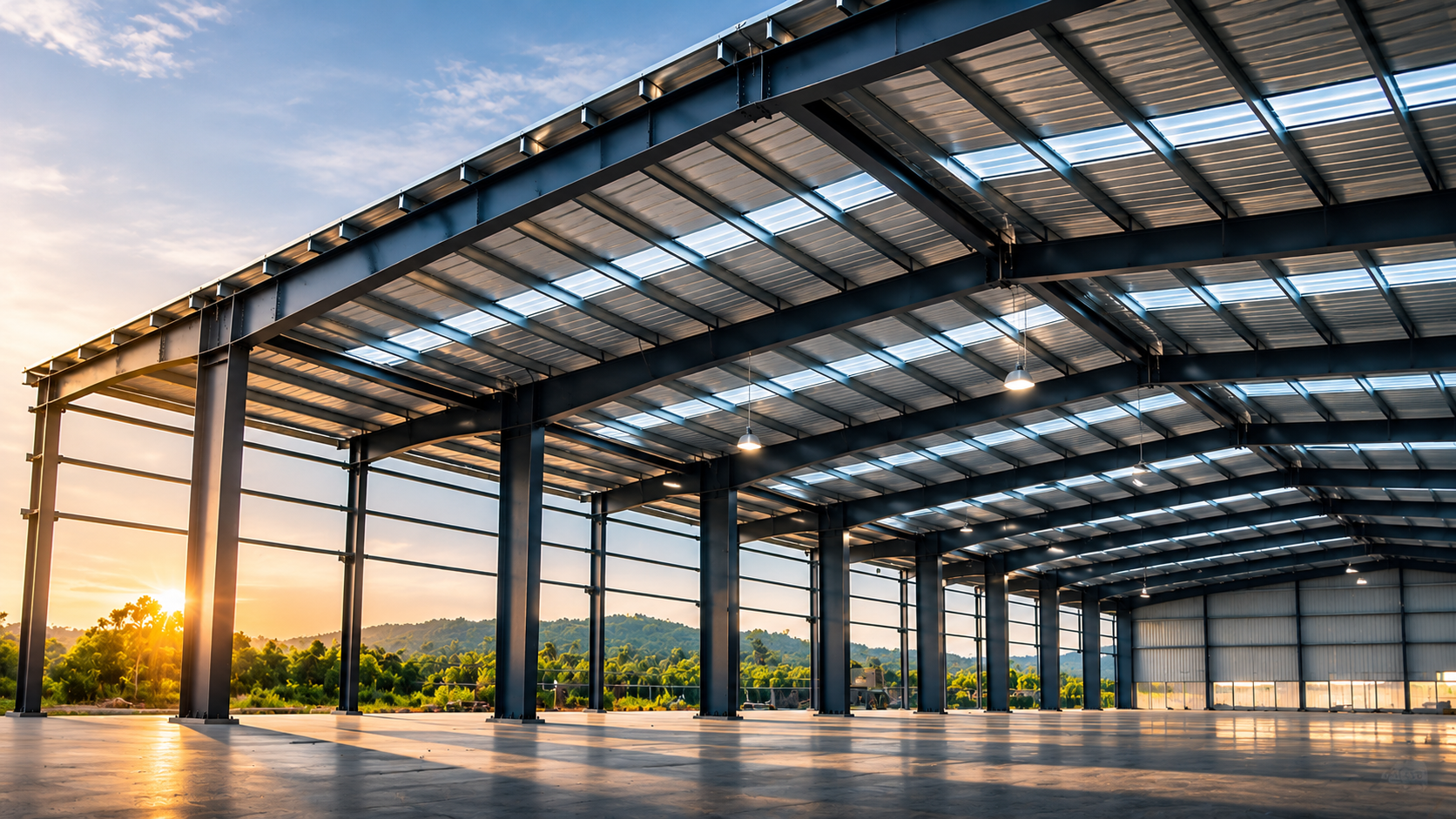
When planning a steel building, choosing the right roofing system is an important decision. Whether it is a factory, warehouse, industrial shed or commercial building, the roof plays a major role in protecting the structure and supporting its daily operations. A roofing system is not just about covering the building with metal sheets. It involves proper structural planning, roof design, material selection, drainage and installation. Working with an experienced Steel Construction Company in Kerala can help ensure these factors are considered together so that the roofing system works well with the overall steel structure. In Kerala, heavy monsoon rainfall, high humidity and warm weather make roofing design particularly important. A properly planned roofing system can help protect the building from weather conditions, manage rainwater and support long-term performance. Here are some important factors to consider when selecting a roofing system for your steel building. 1. Understand the Requirements of Your Steel Building Every steel building has different requirements depending on its purpose. A warehouse may need a large roof area with proper ventilation, while a manufacturing unit may require insulation, natural lighting and arrangements for managing heat generated by machinery. Similarly, commercial steel buildings may have different roofing requirements based on their design and intended use. Before selecting a roofing system, consider: Understanding these requirements during the planning stage helps engineers select a suitable roofing system for the building. 2. Choose a Roofing System That Matches the Steel Structure The roofing system should be compatible with the building’s structural design. In Pre-Engineered Buildings (PEB), the roof is supported by structural components such as rafters, purlins and connections. These components are designed to carry the applicable loads and transfer them safely through the structure. The roofing material, sheet profile, support spacing and fixing arrangements should be considered during structural design. Common roofing options for steel buildings include profiled metal roofing, standing seam roofing and insulated roofing panels. The suitable option depends on the building’s size, roof configuration, intended use and technical requirements. Choosing the roofing system during the initial design stage can help avoid unnecessary modifications during construction. 3. Consider Kerala’s Weather Conditions Kerala’s climate should be an important consideration when designing roofing systems for industrial and commercial steel buildings. Heavy rainfall, high humidity and coastal exposure can affect roofing performance if suitable materials and design details are not selected. Heavy Monsoon Rainfall Roofing systems should be designed with suitable slopes, gutters and drainage arrangements to manage rainwater effectively. Humidity and Corrosion Metal roofing materials, fasteners and accessories should have appropriate corrosion protection based on the building’s location and environmental exposure. Wind Conditions The roofing system and its connections should be designed for the applicable wind loads, including wind uplift. Heat and Ventilation Large industrial buildings can experience significant heat gain through the roof. Suitable insulation and ventilation arrangements may help improve indoor conditions. Considering these factors during the engineering stage helps create roofing systems suited to Kerala’s climate. 4. Plan the Roof Slope and Drainage Properly Roof slope is an important part of steel building design, particularly in regions that experience heavy rainfall. The slope helps direct rainwater towards gutters and drainage outlets. The required roof slope depends on the selected roofing system, manufacturer specifications, roof dimensions and local rainfall conditions. A properly planned drainage system should include: Poor drainage planning can lead to water accumulation, leakage and maintenance problems. For industrial buildings in Kerala, roofing and drainage arrangements should be planned together during the design stage. 5. Consider Roofing Insulation and Ventilation Indoor temperature and ventilation are important considerations for factories, warehouses and other industrial buildings. Large roof areas exposed to direct sunlight can contribute to heat gain inside the building. Depending on the building’s requirements, insulation may be incorporated into the roofing system to reduce heat transfer. Ventilation arrangements can also help manage indoor conditions. Important considerations include: The insulation and ventilation system should be selected according to the building’s actual operating requirements. 6. Check Roofing Material Quality and Installation Requirements The performance of a roofing system depends on both material quality and proper installation. Even a suitable roofing material may develop problems if the fixing arrangements, joints or flashings are not installed correctly. Before finalising the roofing system, consider: The complete roofing assembly should be evaluated rather than selecting individual materials based only on price. Proper installation and quality checks are important for achieving the intended roofing performance. 7. Understand the Importance of Structural Engineering Roofing design and structural engineering are closely connected in steel building construction. The roof system transfers loads to the supporting steel framework. Engineers must consider roofing weight, wind loads, maintenance loads and other applicable design requirements. In PEB construction, the roof arrangement also influences purlin spacing, structural connections and overall building design. Important engineering considerations include: These requirements should be reviewed by qualified structural engineers before construction begins. 8. Plan for Future Maintenance and Building Expansion A steel building is a long-term investment, so maintenance requirements should be considered during the initial planning stage. Roofing systems require periodic inspections to identify potential issues such as damaged sheets, loose fasteners, blocked gutters or deterioration of protective coatings. Proper maintenance can help reduce avoidable repairs and support long-term performance. Future expansion should also be considered. If the business plans to extend the building later, the roofing arrangement and structural design should be reviewed for possible expansion requirements. Planning these aspects early can make future building modifications easier to evaluate. 9. Consider the Overall Roofing Cost The cost of a roofing system depends on several factors, including roof area, material specifications, structural design, insulation and installation requirements. When comparing roofing options, it is important to consider more than the initial material price. The overall cost may include: A properly planned roofing system should balance project requirements, material quality, installation costs and long-term maintenance. 10. Work with an Experienced Steel Construction Company in Kerala Choosing a suitable roofing system requires coordination between structural engineering, material selection and construction. Working with an experienced Steel Construction Company